Should I sign the energy company's option agreement?

An option to grant an easement gives the developer the right, but not the obligation, to require you, at a later date, to enter into a binding easement deed

Image credit: Irish Examiner

Dear Jane, 

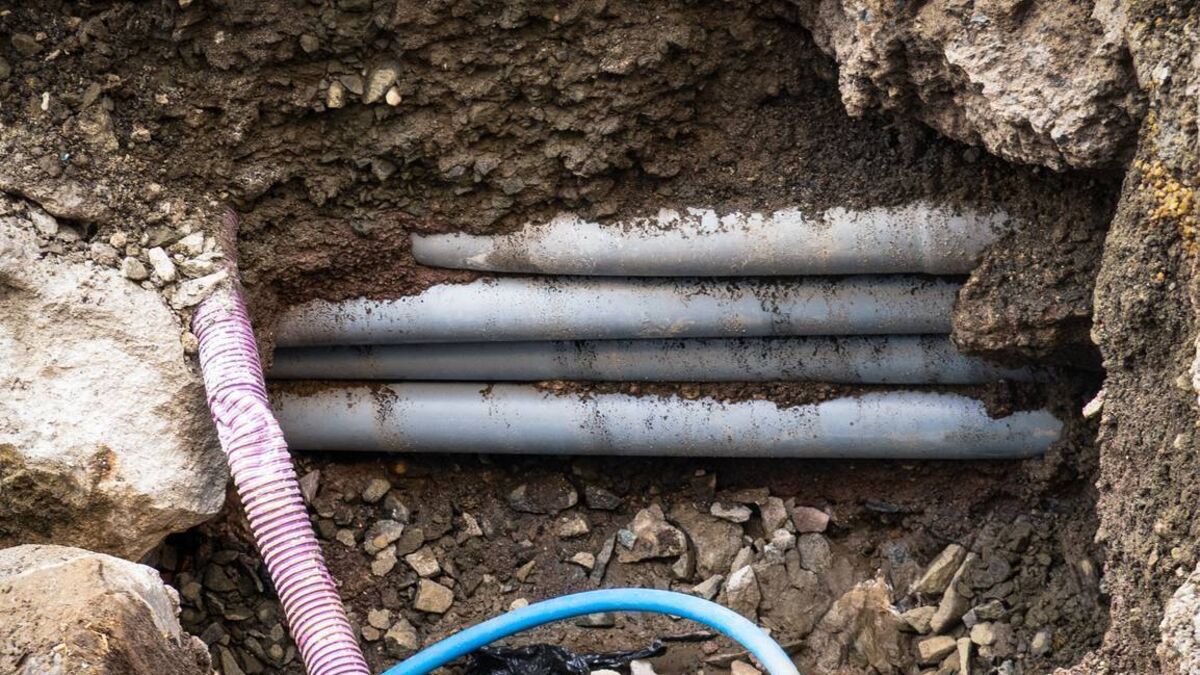
I run a mixed beef and tillage farm. A renewable energy company has contacted me because my land sits between a proposed battery storage site and a substation. They are asking me to sign an option agreement that would allow them, at a later stage, to install underground cabling across one field and a small access strip along a boundary hedge.

They have said the works may never actually happen if the wider project does not proceed, but they want the option in place now. The payment looks reasonable, and I am not opposed in principle, but I am concerned about tying up part of the farm for years without fully understanding the consequences. What should I be careful about before signing anything?

Dear Reader,

You are correct to pause before signing an option agreement. While such documents are often presented as preliminary or non-committal, they can significantly restrict how you use your land for a prolonged period.

An option to grant an easement gives the developer the right, but not the obligation, to require you, at a later date, to enter into a binding easement deed. During the option period, you are usually prevented from granting rights to anyone else over the affected land and from carrying out certain works that might interfere with the proposed route.

One of the first matters to examine is the length of the option period. Developers commonly seek options lasting several years, sometimes with a right to extend. You should consider whether the duration is justified by the nature of the project and whether extensions are automatic or conditional on further payment.

Mapping is critical. The route of the proposed cabling and any access areas must be clearly and accurately identified on a map attached to the agreement. Vague corridor descriptions or overly wide areas should be resisted, as they can restrict farming operations far beyond what is actually required.

You should also look closely at how the agreement deals with land use during the option period. Restrictions on cultivation, reseeding, drainage works, fencing, or farm buildings can have real practical and financial consequences, particularly for tillage land or intensive systems.


Image credit: Irish Examiner

If the option is exercised and the easement granted, the terms of the easement deed itself must be considered in advance. This includes the duration of the easement, rights of access for inspection and repair, and whether the developer can upgrade or add further cables in the future.

Compensation provisions should be clear. This includes not only the headline payment, but also compensation for crop loss, disturbance, soil damage, and any future interference with farming. Where payments are ongoing, index linking should be considered to protect against inflation.

Liability and insurance clauses are essential. The developer should be fully responsible for any damage or injury arising from the works and should be required to maintain appropriate insurance, with evidence provided to you on an ongoing basis.

Finally, reinstatement obligations should be robust. The agreement should require the land to be restored to a condition suitable for agricultural use, with clear standards and timeframes, once works are completed.

Although option agreements are common in renewable energy projects, they should never be treated as informal. You should obtain independent legal advice before signing, ensuring that both the option and the proposed easement are reviewed together so you fully understand the long-term impact on your farm.

Let Us Know Your Questions

Your email address will not be published. Required fields are marked *

Book a Consultation

Related Blogs

Should I sign the energy company’s option agreement?

An option to grant an easement gives the developer the right, but not the obligation, to require you...

Building on a gifted site? Here are the key legal and tax rules

Building on a gifted site? There are several key legal and tax considerations you need to know about...

The 2-Year Time Limit on Personal Injury Claims in Ireland: What “Date of Knowledge” Really Means

Learn what the Date of Knowledge means, when the 2-year time limit begins, and how it affects personal injury claims in Ireland...

What Qualifies as Medical Negligence in Ireland?

Medical negligence arises when a doctor, nurse, or other healthcare provider fails to meet the expected standard of care, resulting in injury, illness...

I was sold a defective bull — what can I do?

The fact that the bull is sub-fertile rather than completely infertile does not necessarily prevent a claim arising...

Planning was refused for my home. Can I take a judicial review?

Understand judicial review, its strict time limits, and if it's the right legal path to challenge unfair local authority decisions...