
NEED LEGAL ADVICE?
SPEAK TO A SOLICITOR
Tell us briefly about your situation and we’ll get back to you.

Dear Karen
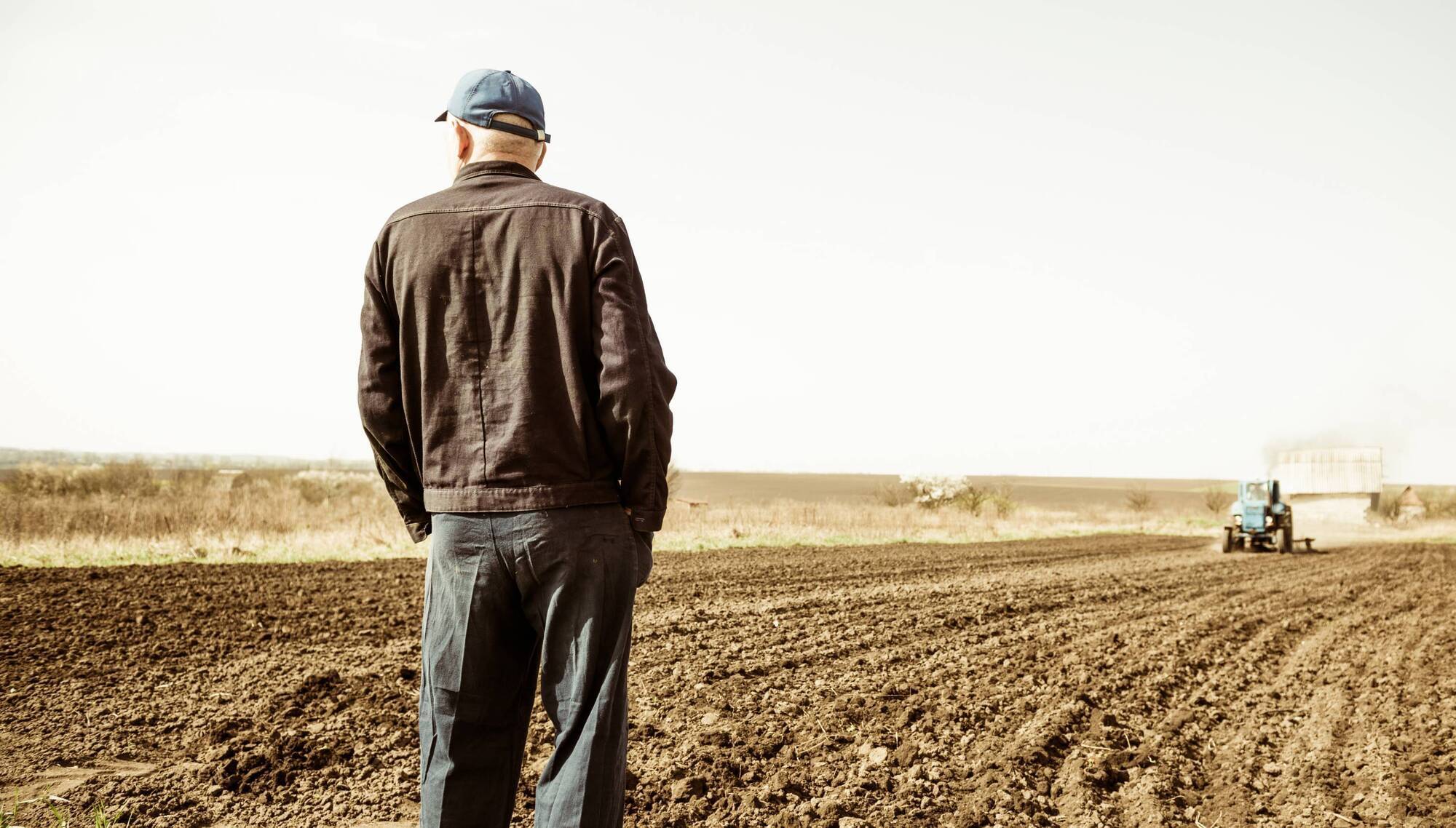
My elderly uncle owns a farm and is becoming increasingly conscious of the need to put his affairs in order. He intends to make a Will, but he has also been advised to consider putting an Enduring Power of Attorney in place. He is in good health at present, but he is concerned about what might happen if he were to lose capacity in the future. What exactly is an Enduring Power of Attorney, and what are the current requirements, particularly in light of the new Decision Support Service?
While every care is taken to ensure the accuracy of information contained in this article, solicitor Karen Walsh does not accept responsibility for errors or omissions howsoever arising, and you should seek legal advice in relation to your particular circumstances at the earliest possible time.




To provide the best experiences, we use technologies like cookies to store and/or access device information. Consenting to these technologies will allow us to process data such as browsing behavior or unique IDs on this site. Not consenting or withdrawing consent, may adversely affect certain features and functions.
Manage your cookie preferences below:
Essential cookies enable basic functions and are necessary for the proper function of the website.
Tell us briefly about your situation and we’ll get back to you.
Tell us briefly about your situation and we’ll get back to you.
 Optimized by Seraphinite Accelerator