Landowner has blocked my access - do I have right of way?

He has erected pillars on either side of the entry point of the laneway and erected a locked gate preventing us from using it. What should I do?
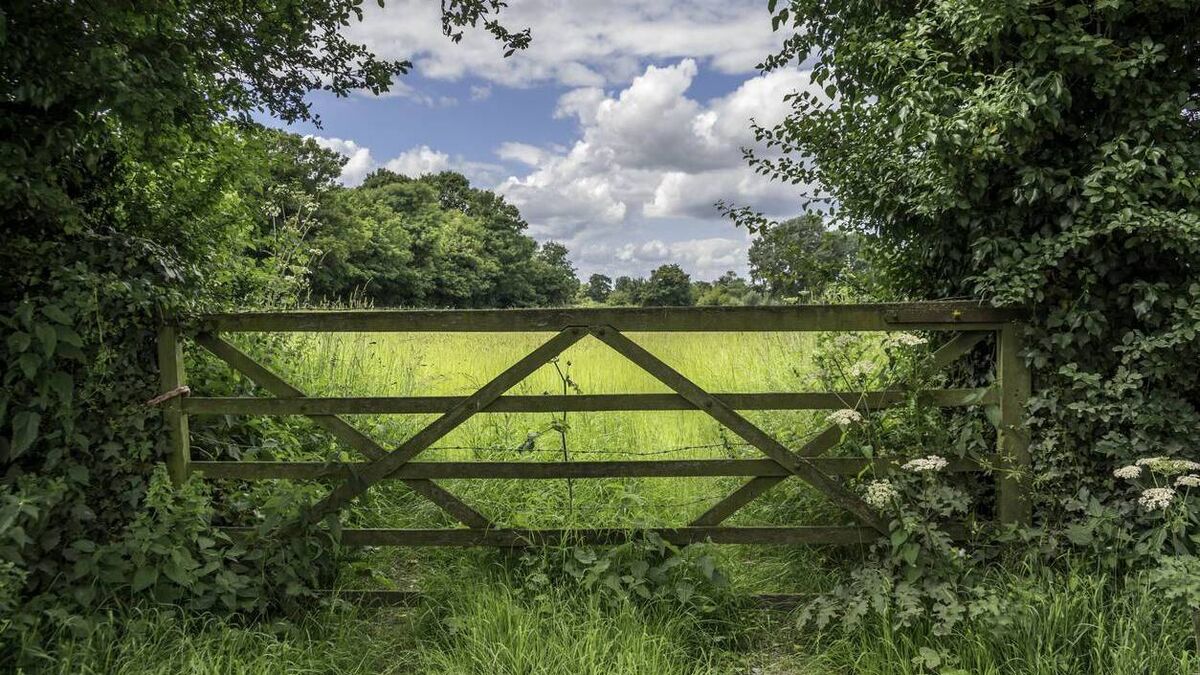
Image credit: Irish Examiner

Dear Karen,

I have access to part of my farmlands over a private laneway. My father, my grandfather and I have been using it for driving the cows from the milking parlour to part of the lands for donkeys’ years.

It is not a registered right of way on paper. I never felt the need to register it as we have always had very good relations with the neighbouring family that own it. There was never any agreement that we could use it, we just did and there was never an issue. 

However, the neighbour passed away two years ago and left that part of the land to his nephew, who hasn’t a clue about farming, and has been throwing his weight around ever since he became owner, saying we have no registered right of way. 

He has erected pillars on either side of the entry point of the laneway and erected a locked gate preventing us from using it. What should I do? Do I have any rights when our right of way is not registered in the Land Registry?

Dear Reader,

I am sorry to hear this. In situations like this, it’s important to seek legal advice to understand your rights and options. While your right of way may not be registered on paper, it may still be recognised as an “easement” under the law. Easements are rights to use another person’s property for a specific purpose, such as accessing your own property for agricultural use.

To establish an easement, it is typically necessary to show that you have been using the laneway openly and continuously for a long period of time, and that the use was not challenged by the landowner during that time. This is known as “prescription” or “adverse possession”. The specific requirements for establishing an easement can be complex and may vary depending on the circumstances.

A prescriptive right of way is a legal right to use someone else’s property for a specific purpose, such as accessing your own property, which has been acquired through long, uninterrupted use. This type of right of way is established by prescription, which is a legal doctrine that recognises a right as valid based on the long-standing use of the property.

To establish a prescriptive right of way, the use of the property must be open, continuous, and uninterrupted for a specific period of time, usually 12 years or more. The use must also be “as of right,” meaning that it is not based on the owner’s permission or agreement. If these conditions are met, the person using the property may have a legal right to continue doing so.

If it is determined that you have an easement or right of way, you may be able to take legal action to enforce it. This could involve making an application to the court for an injunction to prevent the landowner from interfering with your access, or making a claim for damages if you have suffered losses as a result of being denied access.

An injunction is a legal order issued by a court that requires a person to stop doing something or to refrain from doing a particular action. Injunctions can be used to prevent harm, preserve the status quo, or enforce a legal right.

There are two main types of injunctions: temporary injunctions and permanent injunctions. A temporary injunction, also known as a preliminary injunction, is issued on a temporary basis to prevent immediate and irreparable harm while a case is being heard. It is typically issued at the beginning of a legal action and can be in place for several weeks or months until a final decision is made.

A permanent injunction, on the other hand, is issued as a final ruling in a case and can be in place indefinitely. 

If someone breaches a court order, they can be held in contempt of court and face penalties, such as a fine or imprisonment.

In any case, it’s important to approach the situation calmly and professionally, and to try to maintain good relations with your neighbour if possible. A legal dispute can be stressful and costly for both parties, so it may be worth exploring options for resolving the issue through mediation or negotiation before pursuing legal action.

Karen Walsh, from a farming background, is a solicitor practising at Walsh & Partners Solicitors, 17 South Mall, Cork, and 88 Main Street, Midleton, Co Cork, and also the author of ‘Farming and the Law’. Walsh & Partners also specialises in personal injury claims, conveyancing, probate, and family law.

While every effort is taken to ensure the accuracy of the information contained in this article, Karen Walsh does not accept responsibility for errors or omissions howsoever arising. Readers should seek legal advice in relation to their particular circumstances at the earliest opportunity.

Let Us Know Your Questions

Your email address will not be published. Required fields are marked *

Book a Consultation

Related Blogs

Should I sign the energy company’s option agreement?

An option to grant an easement gives the developer the right, but not the obligation, to require you...

Building on a gifted site? Here are the key legal and tax rules

Building on a gifted site? There are several key legal and tax considerations you need to know about...

The 2-Year Time Limit on Personal Injury Claims in Ireland: What “Date of Knowledge” Really Means

Learn what the Date of Knowledge means, when the 2-year time limit begins, and how it affects personal injury claims in Ireland...

What Qualifies as Medical Negligence in Ireland?

Medical negligence arises when a doctor, nurse, or other healthcare provider fails to meet the expected standard of care, resulting in injury, illness...

I was sold a defective bull — what can I do?

The fact that the bull is sub-fertile rather than completely infertile does not necessarily prevent a claim arising...

Planning was refused for my home. Can I take a judicial review?

Understand judicial review, its strict time limits, and if it's the right legal path to challenge unfair local authority decisions...