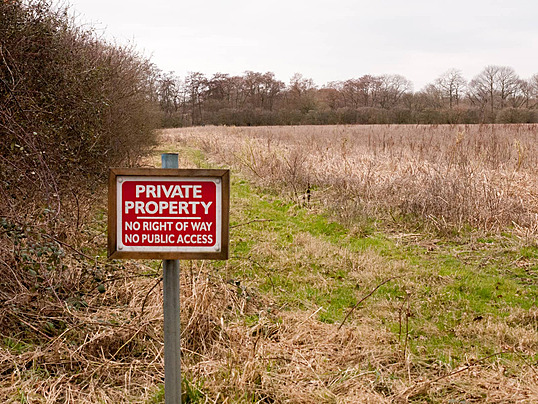
I live abroad and worry I might be targeted by squatters

It is important that landowners living abroad are not careless about the risks of adverse possession.

Image credit: Irish Examiner

Dear Karen,

I live abroad and inherited land about seven years ago, but I am conscious of someone claiming squatters’ rights, especially if they might know that I don’t live in Ireland and would not regularly check the property. 

What advice would you have to ensure that someone doesn’t make a claim for squatters’ rights over my land?

Dear Reader,

This is a very good question, and it is wise to consider this.

It is important that a landowner is not careless. It is advised that the landowner inspects their land regularly. If the owner is away for long periods of time, they should appoint someone to inspect the lands to ensure that no third parties are in occupation. It is prudent to look for signs of entry or such things as new fences having been erected, animals grazing, or crops planted.

If there is such evidence, the identity of the person must be ascertained immediately, and legal advice sought as how to remove him/her from the property. Instituting legal proceedings against the trespasser will “stop the clock running” on the adverse possession.

The landowner should also exercise some act of ownership over the property in the interim, for example, erecting fences or buildings, or placing animals on the land.

Rental of land

Another potential option available to the farmer is to procure from the person in possession (squatting) an agreement signed by him/her to rent the land at certain figure (which could be nominal), and for certain period, or alternately, simply acknowledging that he/she is present on the land with the owner’s permission. If such an agreement is signed, then the person in possession cannot bring a successful adverse possession claim.

It must be emphasised that a landowner cannot afford to be complacent and must act promptly. The adverse possession clock only stops when legal proceedings are instituted, not when a call is made to a solicitor for legal advice.

In the case of Dunne versus Iarnród Éireann, the court took the view that the following two matters should be examined in particular when determining if adverse possession existed:

The court held that the latter point allowed a low threshold for the landowner to establish possession and stop the clock from running on adverse possession. 

Certain acts of possession by the landowner would break a claimant’s possession. In that particular case, the owner carried out works to part of the property being claimed by the squatter.

Let Us Know Your Questions

Your email address will not be published. Required fields are marked *

Book a Consultation

Related Blogs

Joint tenancy vs tenancy in common for unmarried couples in Ireland

Joint tenancy vs tenancy in common for unmarried couples in Ireland My partner and I plan to buy a property together and are unsure of ...

Is it worth it to risk building a home on family land without title?

Is it worth it to risk building a home on family land without title? The fact planning permission was obtained with your aunt’s cooperation does ...

Turning a derelict farmhouse into a home — how the vacant property grant applies

Turning a derelict farmhouse into a home — how the vacant property grant applies To qualify, the property must have been vacant for a minimum ...

My job is changing – and I’m worried what is coming

My job is changing – and I’m worried what is coming A genuine redundancy must be based on the role being eliminated, not the person ...

The relationship with my spouse has completely broken down

The relationship with my spouse has completely broken down I need clarity on what I can do next and what the law allows Image credit: ...

The biggest mistakes people make when drafting a will

The biggest mistakes people make when drafting a will Starting the process is often the hardest step, writes rural solicitor Image credit: Irish Examiner Image ...